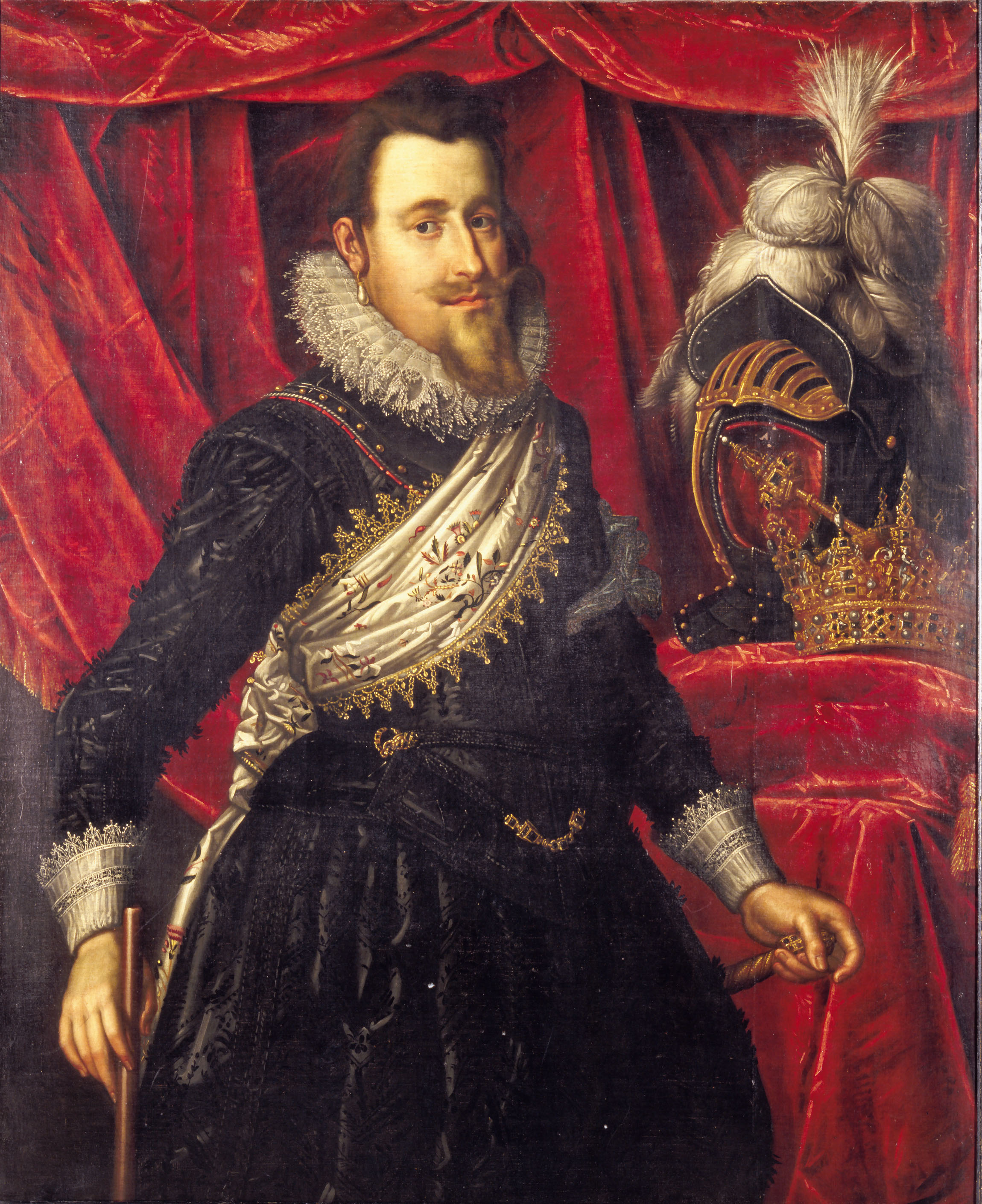
1577 – 1648
Christian IV
The longest reign in Danish history (1588–1648). Builder of Rosenborg, the Round Tower, and the original Christianshavn district of Copenhagen.
The oldest continuous monarchy in Europe — a single line of rulers from before the year 958 down to King Frederik X today.
The Danish royal line begins, by the testimony of stones, with King Gorm the Old (died ca. 958) and his queen Thyra. Their son Harald Bluetooth — Harald Blåtand — Christianised the Danes and united Denmark and Norway under one crown. On the great rune-stone at Jelling he caused to be carved the words: “King Harald bade these monuments be made… and made the Danes Christian.” It is the oldest surviving signature of the Danish state.
First named king of a united Denmark. The Jelling mounds and runic stones mark the seat of his dynasty.
Converted the Danes to Christianity. Raised the great Jelling stone, “the baptismal certificate of Denmark.”
Ruled a North-Sea empire of Denmark, England and Norway — the only Danish king to wear the English crown.
Ended decades of civil war. With Bishop Absalon he founded the fortified town that would become København — Copenhagen.
Queen Margrethe I unites Denmark, Norway and Sweden under one crown — the first female ruler of all three realms.
Christian I founds the dynasty that, with its Glücksburg branch, still reigns today — the longest-ruling royal house of Europe.
The great builder-king. Founder of Rosenborg, Frederiksborg and the Round Tower; his reign defines the Danish Renaissance.
Frederik III, with the support of clergy and burghers, establishes hereditary absolutism — a single written “King’s Law” places all power in the sovereign.
Frederik VII signs the June Constitution. Denmark becomes a constitutional monarchy with an elected parliament, the Folketing.
Through his children’s marriages — to Britain, Russia, Greece and Norway — he becomes grandfather to half the crowned heads of the continent.
The riding king of the occupation: through the Second World War he rode unguarded through the streets of Copenhagen, a daily symbol of Danish dignity.
First reigning queen of Denmark since Margrethe I in 1412. A trained archaeologist and artist, she designed her own crown jewels’ settings and the costumes for royal galas.
Acceded to the throne on 14 January 2024 after his mother’s historic abdication — the first Danish monarch to ascend by abdication since Erik III in 1146.
Guds hjælp, Folkets kærlighed, Danmarks styrke. — God’s help, the love of the people, Denmark’s strength.— Royal motto of Frederik X
The reigning house of Denmark is, in formal terms, the House of Schleswig-Holstein-Sonderburg-Glücksburg — a junior branch of the great Oldenburg dynasty that mounted the throne with Christian IX in 1863. Through that one quiet king Denmark is bound to nearly every royal house of modern Europe: through his daughter Alexandra to the British crown, through Dagmar (Maria Feodorovna) to the Russian imperial family, through his son Vilhelm to the kings of Greece, and through his son Frederik VIII to the kings of Norway.
The royal motto of the present king reads: Forbundet, forpligtet, for Kongeriget Danmark — “Connected, committed, for the Kingdom of Denmark.”
The longest reign in Danish history (1588–1648). Builder of Rosenborg, the Round Tower, and the original Christianshavn district of Copenhagen.
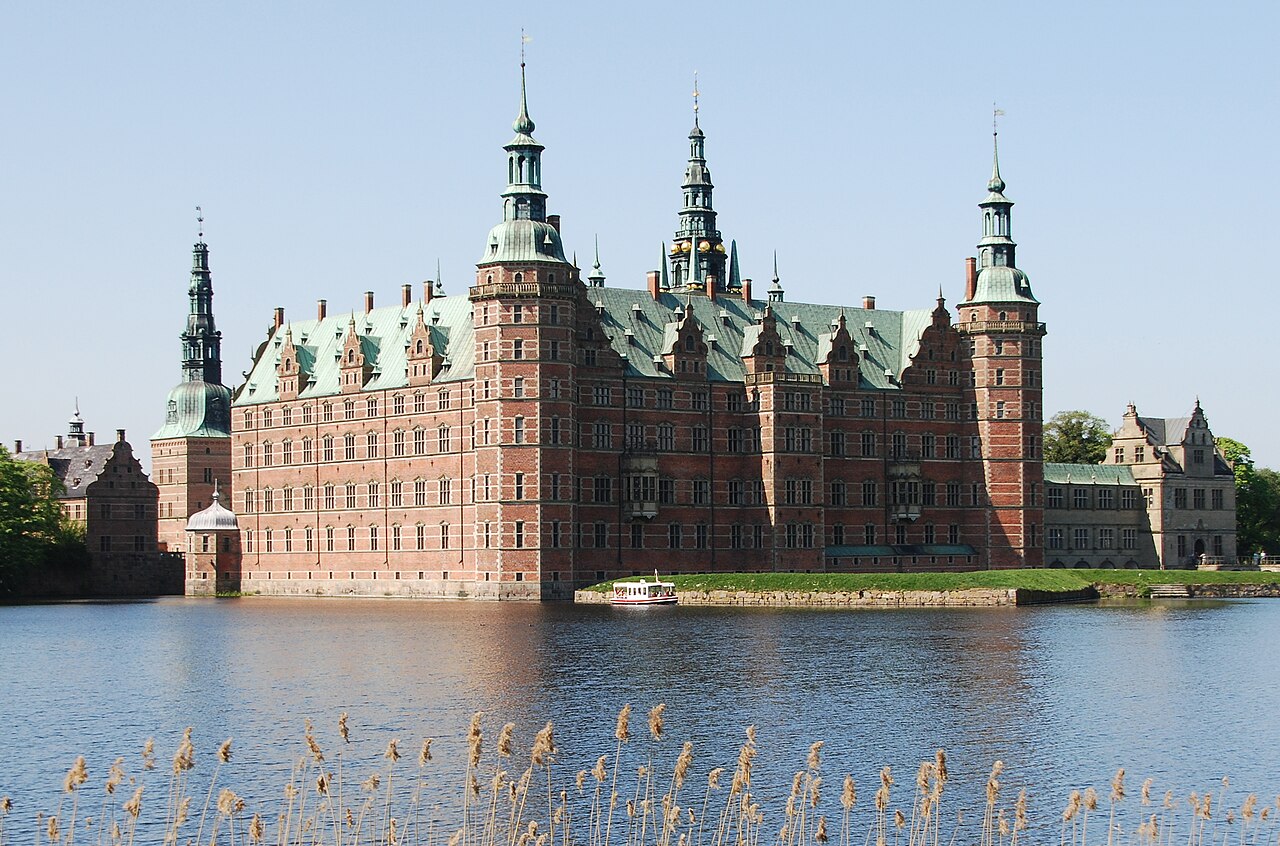
From Christian V to Frederik VII, anointed kings reigned by the King’s Law of 1665 — the most thoroughgoing absolutism written down in Europe.
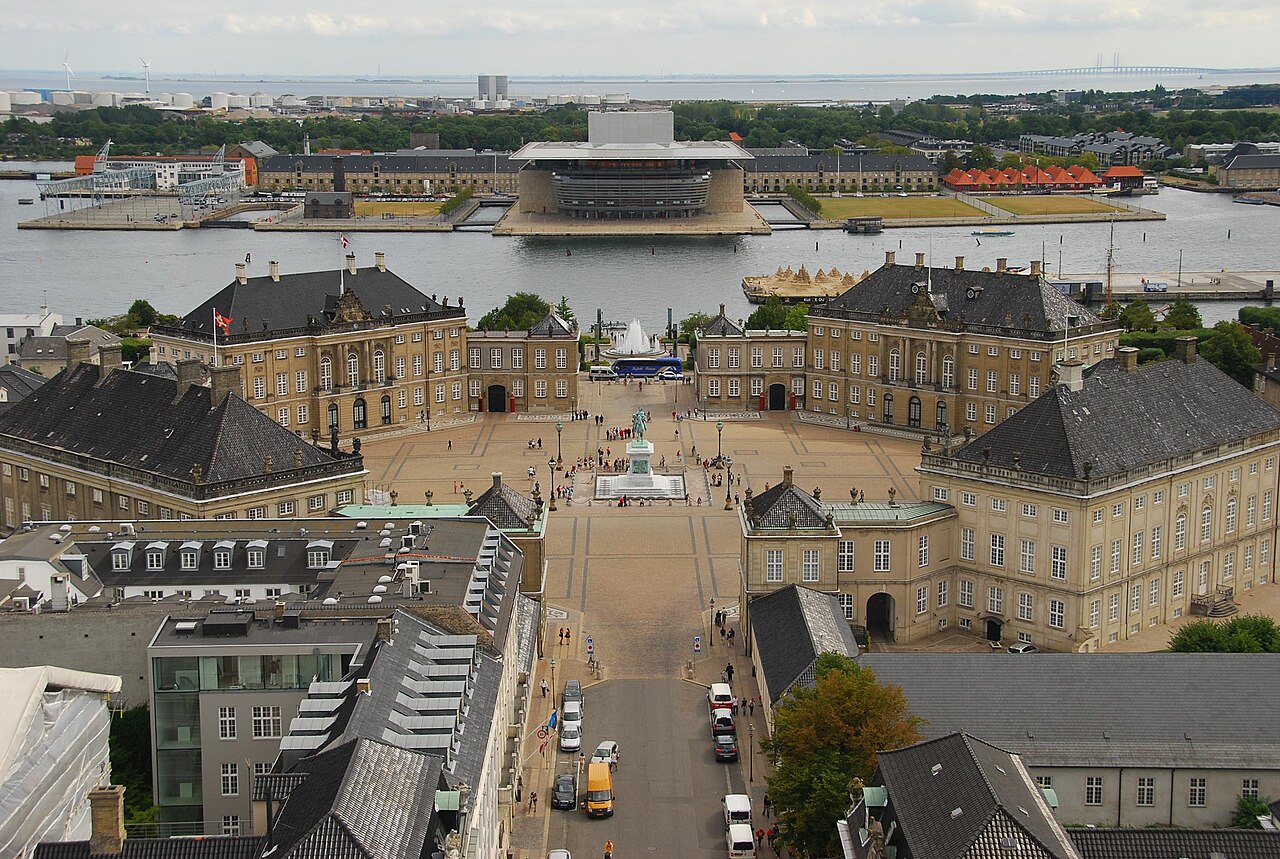
Queen Margrethe II and now King Frederik X have shaped a monarchy that is at once ancient and modern — ceremonial, but profoundly Danish.